The Technique
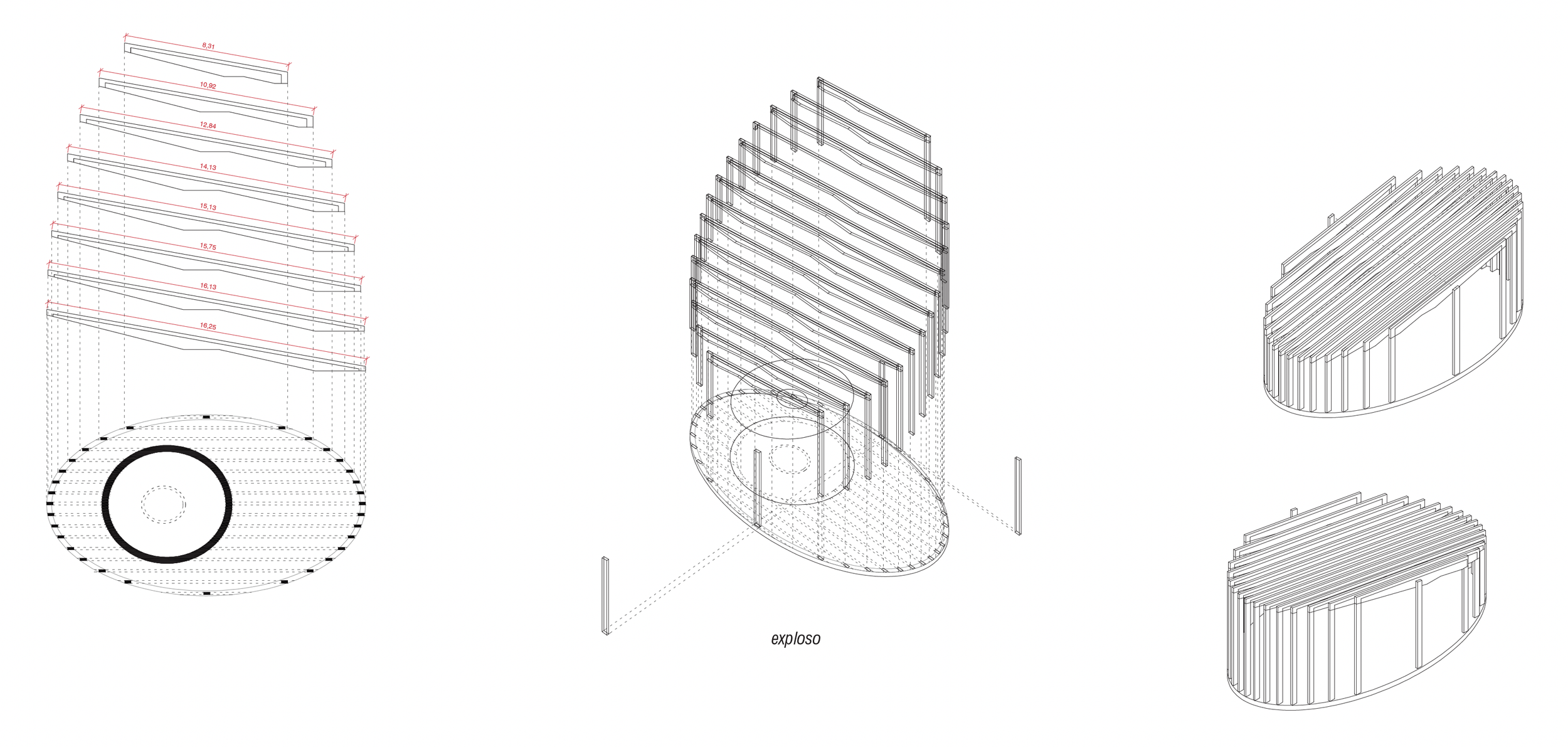
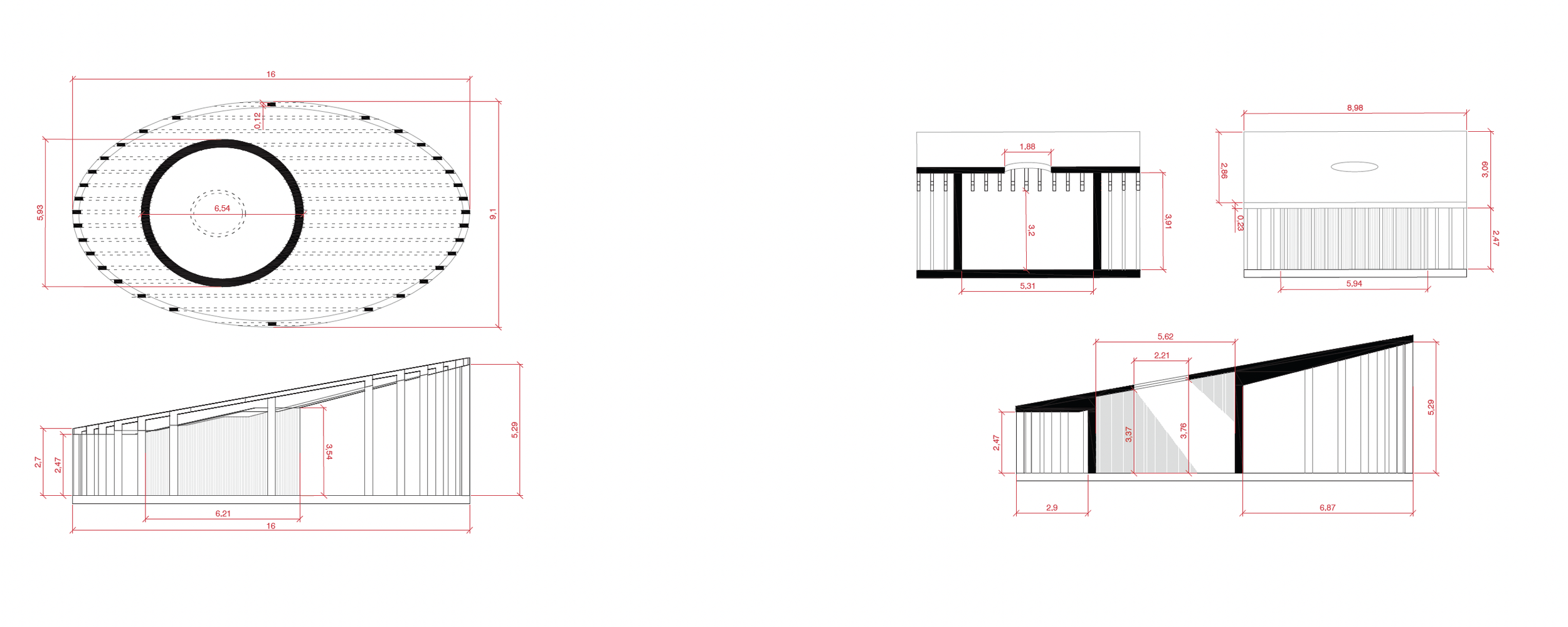
The pavilion is conceived as an oak timber structure, with the possibility of being constructed through the Japanese tradition of Kigumi—a system of joining timber through precisely cut and interlocking connections rather than relying primarily on nails or metal fittings.
In Kigumi, structure becomes craft. Each timber element is shaped to receive and support another, creating a three-dimensional framework in which the connection itself becomes part of the architecture.
Traditional Japanese carpentry developed an extensive vocabulary of joints, allowing timber elements to be connected, extended, dismantled, and repaired.
Meditation house
Design and Research
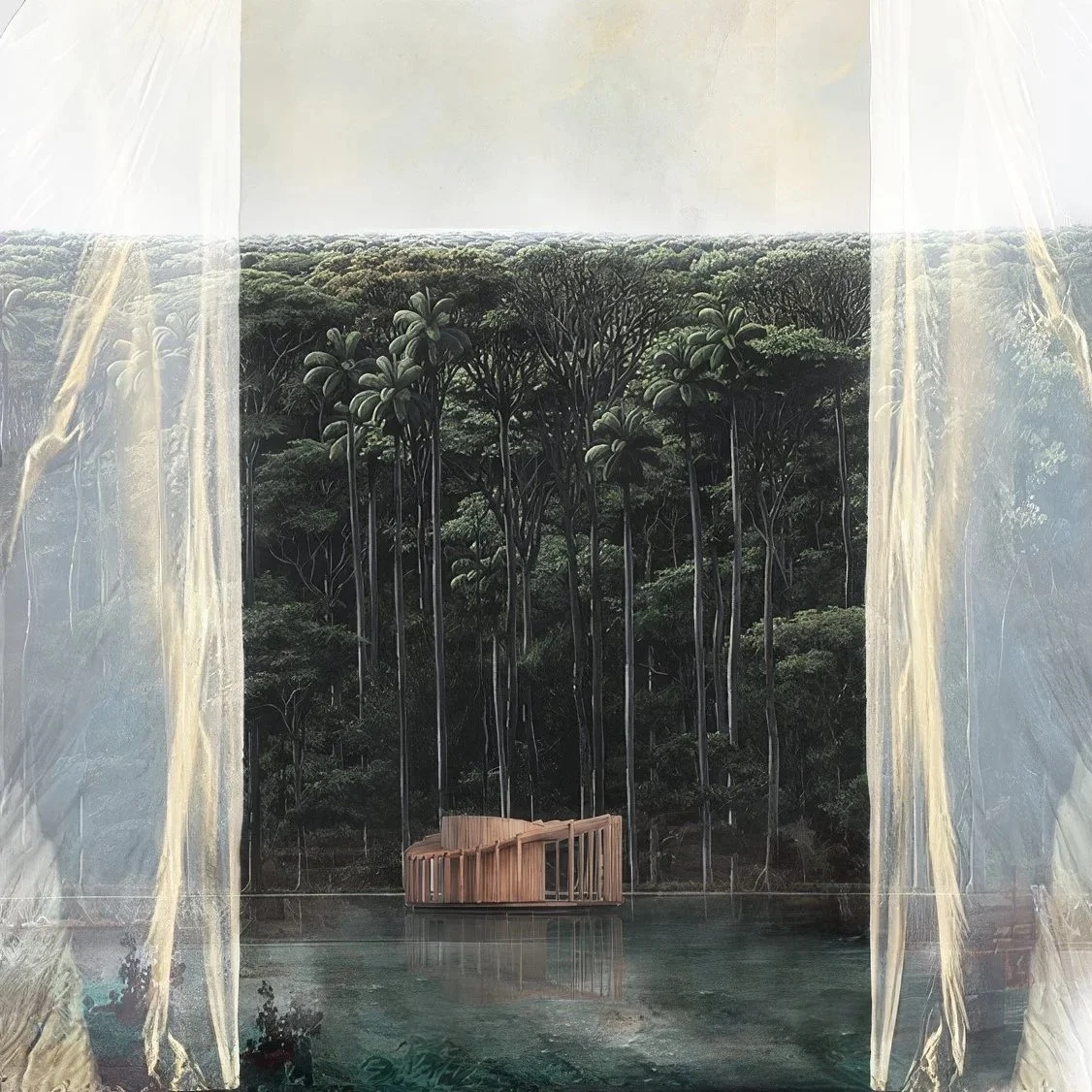
“The form of the pavilion follows the ritual of meditation: movement slows,
space becomes simpler, light becomes softer, and the connection to nature becomes stronger.”
aware of time through the movement of light.
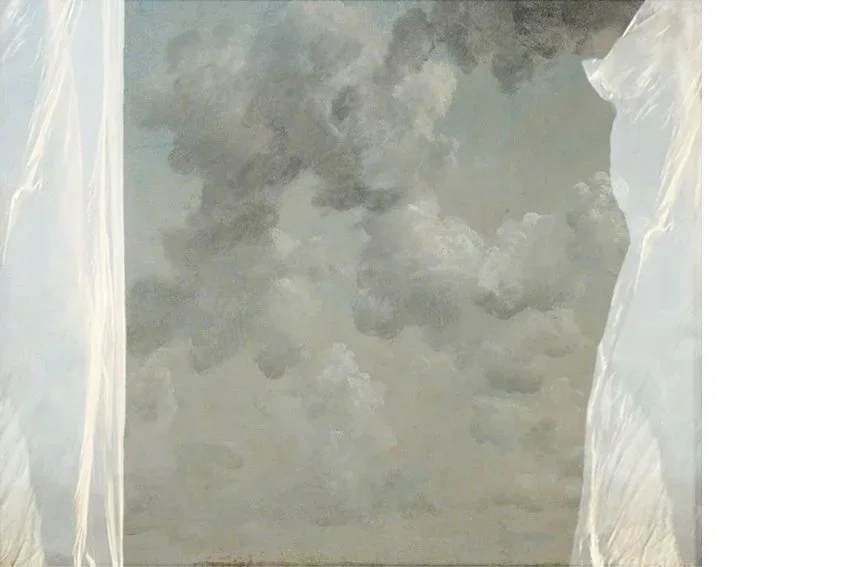
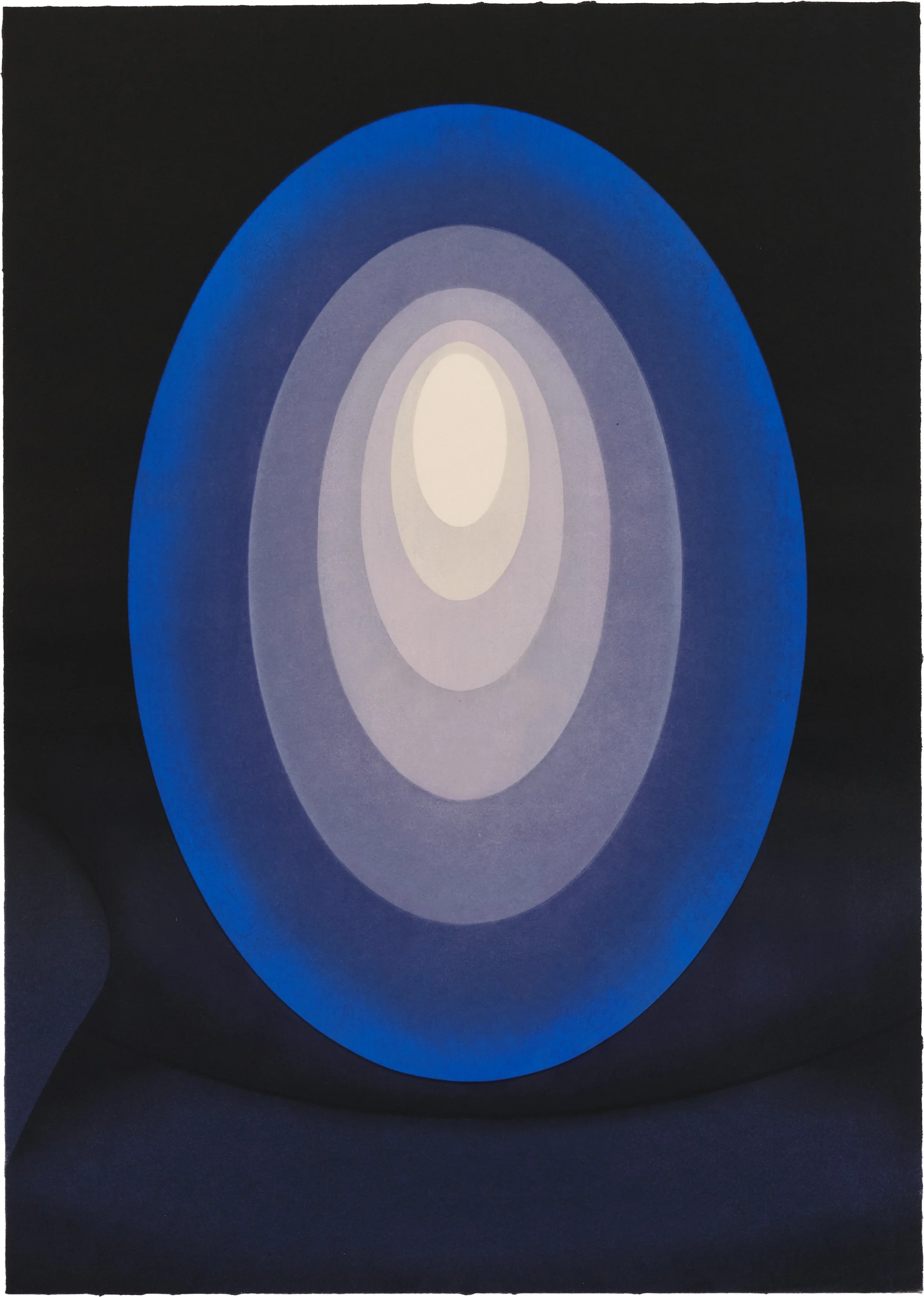
At the heart of the meditation room, an oculus opens the ceiling to the sky, introducing a controlled beam of zenithal light.
The opening becomes more than a source of illumination:
it becomes the clock of the pavilion.
As the sun moves across the sky, light and shadow slowly travel through the interior, allowing visitors to perceive the passage of time without the presence of a conventional clock.
Time is therefore not represented by numbers, but measured through light.
“an open shelter” the oculus
Architecture itself becomes a register of changing light